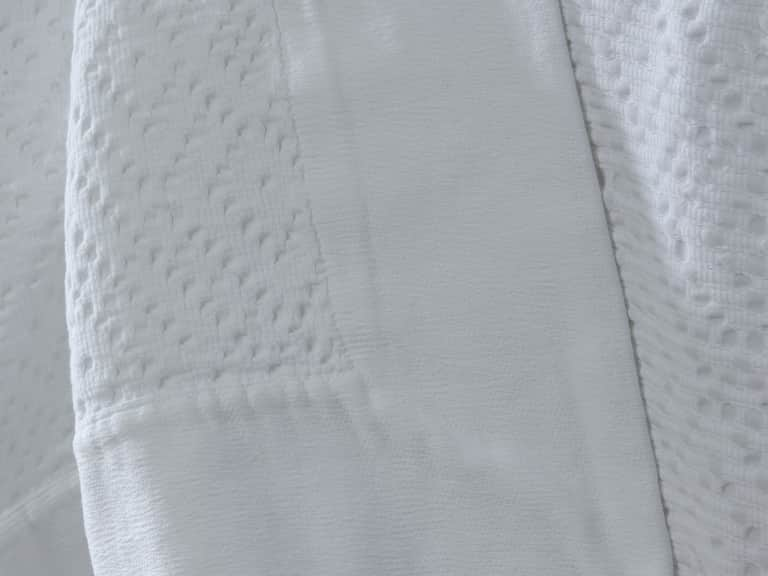
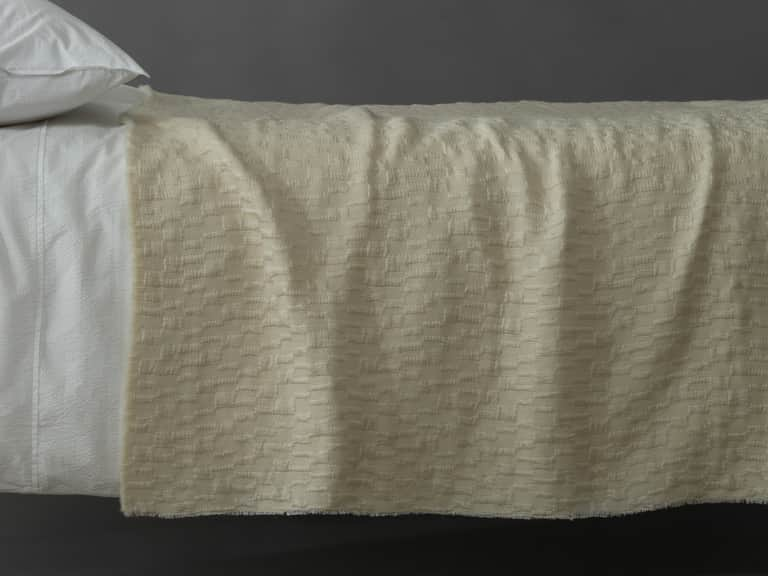
Blankets and quilts add a layer of warmth, comfort, and visual texture to bedroom bedding. Their weight and construction influence how they feel across different seasons, while their role may range from a light decorative covering to an extra layer over sheets and duvet covers. Choosing an appropriate type depends on room temperature, personal comfort, and care needs.
A coverlet is generally a lightweight bed covering designed to sit over the bed, often reaching partway down its sides. The Auburn Coverlet can serve as a finishing layer or provide modest additional warmth without the bulk of a thick quilt. Its practical role makes it suitable for layering with bedding when temperatures or preferences change.
The Layal Bedcover is a bed-covering layer that helps protect the surface of bedding from everyday dust and adds a neat, coordinated appearance to the bed. As with other bedcovers, its usefulness depends on fabric, construction, and dimensions. These details affect how it drapes, how easily it can be handled, and how it fits alongside sheets and duvet covers.
When comparing blankets and quilts, consider warmth, material, size, weight, and maintenance. Breathable fabrics may feel more comfortable in warmer rooms, while denser layers can provide extra insulation. Bedding materials differ from latex, which is more commonly associated with mattress or pillow components; checking textile and care information helps clarify suitability and upkeep.
Blankets and quilts work as part of a complete bedroom setup alongside pillows, sheets, and duvet covers. Layering allows sleepers to adjust warmth without changing the underlying bedding, while a coverlet or bedcover can keep the bed looking orderly during the day. Matching dimensions to the mattress helps ensure useful coverage and a balanced drape.
 Bedding