Understanding UK Sizing and Common Terms
In the United Kingdom, bed linen sizing can vary by manufacturer, yet there is a coherent system that aligns with standard mattress depths and typical UK bed dimensions. The first step in choosing bedding is recognizing the most common sizes and how they relate to your mattress height, especially in homes with deeper mattresses or adjustable bases. A queen or king ensemble may require deeper fitted sheet pockets to ensure a secure fit across the night. For cot and junior beds, the standard is more compact but no less precise, demanding careful measurement of both mattress length and width, as well as the pocket depth of fitted sheets.
Key terms to be comfortable with include:
- Fitted sheet pocket depth: Often described as 12", 15", or 18"—the measurement from the top of the mattress to the bottom of the sheet’s elastic edge. If your mattress is particularly tall, a deeper pocket is essential to prevent popping corners.
- Thread count vs. weight: A common misconception is that higher thread count equals better fabric. In reality, for linen, cotton, or blends, the weave, fiber type, and finishing determine feel and durability as much as or more than thread count.
- Weave types: Percale, sateen, and linen’s natural weave each offer distinct textures and air flow. Linen tends to be looser and more breathable, cotton percale is crisp, and cotton sateen has a smoother surface with subtle sheen.
- GOTS, OEKO-TEX: Certifications that signal responsible, eco-conscious manufacturing. GOTS is particularly recognized for organic fiber sourcing and processing standards.
Material Comparisons for UK Climates
The UK’s temperate climate, frequent rainfall, and variable household heating mean you should prioritize breathable, moisture-managing fabrics that regulate temperature through the night. Linen, cotton (especially long-staple or Egyptian varieties), and blends each perform differently in terms of moisture absorption, temperature regulation, and durability.
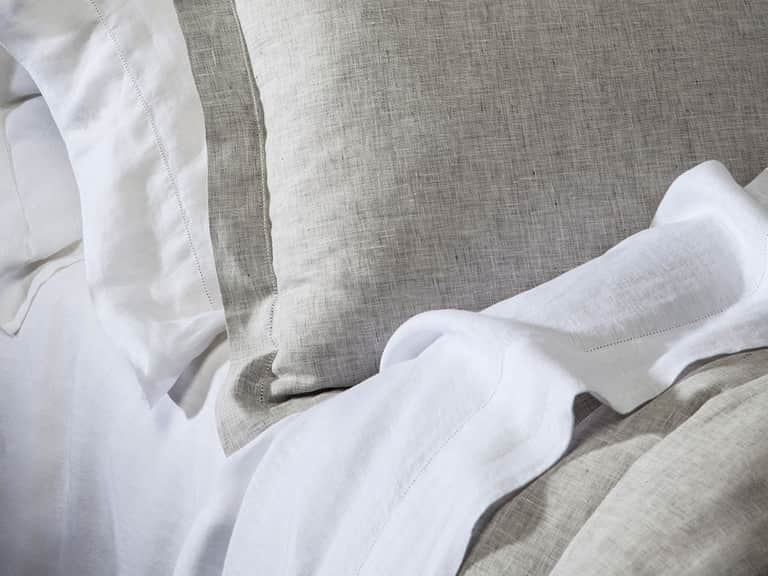
Linen stands out for its natural breathability and moisture-wicking properties. The flax fibers allow air to circulate and dry quickly, which helps sleepers feel cool in warmer months and comfortable in cooler seasons. Linen is known to soften with washing and use, and it typically resists pilling while offering a relaxed drape that layers well with other bedding.
Cotton is versatile, available in many finishes from crisp percale to lush sateen. For UK homes, a higher thread count does not necessarily translate to better performance; the finishing, fiber length, and weave matter as much as the count.
Blends—cotton-linen or cotton-bamboo blends—offer combinations of breathability, texture, and ease of care. They can present economical options while balancing the benefits of each fiber.
Care and Maintenance Basics
Care routines are the lifeblood of bed linen longevity. In the UK, typical guidelines reflect practical household washing patterns, energy considerations, and seasonal changes. The goal is to preserve fiber integrity, maintain colorfastness, and keep bedding feeling fresh year after year.
- Washing: For linen and cotton, wash with like colors in cool to warm water (up to 40°C for many fabrics). Stone-washed linen sheets can benefit from gentle cycle washing. Avoid overly hot washes, which can degrade fibers over time.
- Drying: Line drying is ideal for longevity and lower energy usage, but tumble dryers at low heat are acceptable for many fabrics. Remove promptly to minimize wrinkles, then fold or store when fully dry.
- Stain removal: Treat stains promptly with mild detergents. For organic linen, avoid harsh chemical bleaches that could weaken the fiber and affect color.
- Storage: Ensure linens are completely dry before storage to prevent mildew. A breathable cotton bag or a clean box in a cool, dry place works well.
UK Sizing and Practical Guides
To help UK readers, let’s translate common sheet sizes into a practical guide. A typical UK double mattress (54 inches wide, 75 inches long) may require a fitted sheet with a pocket depth of 12–15 inches, depending on mattress height. A king-size bed (76 inches wide, 80 inches long) often benefits from 15-inch pockets, while a super-king or deeper base may require deeper pockets. For duvet covers, standard UK duvet sizes align with the corresponding sheet sizes, but ensure closure types—concealed zippers or buttons—are secure to prevent duvet movement inside the cover.
Care Lifecycle: A Practical UK Routine
A practical routine marries frequency with fabric performance. The following routine is designed for year-round UK households:
- Wash linens every one to two weeks, depending on use and personal needs. For light sleepers or those with allergies, more frequent washing can help maintain hygiene and freshness.
- Use a mild, fiber-friendly detergent. Avoid fabric softeners with linen; if used, opt for plant-based softeners that preserve the fabric’s natural breathability.
- Dry linens according to fabric type; linen can tolerate line drying or low heat tumbling. Fitted sheets should be re-fitted after drying to ensure proper fit for the next night’s sleep.
- Ironing: Linen benefits from a light ironing or steaming while still slightly damp, though many prefer air-dried, naturally crumpled linen for a relaxed aesthetic. For cotton, a cool to warm iron typically yields the best finish.
Case Study: A Readable, Reliable Brand Example
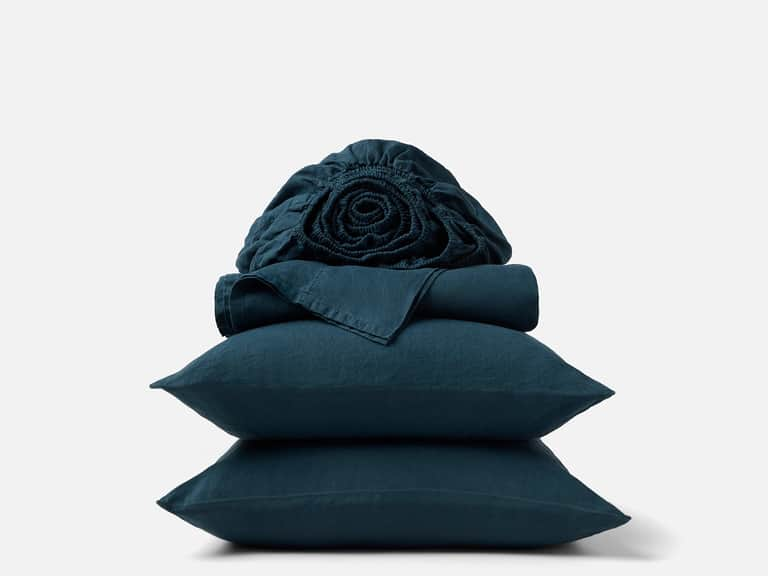
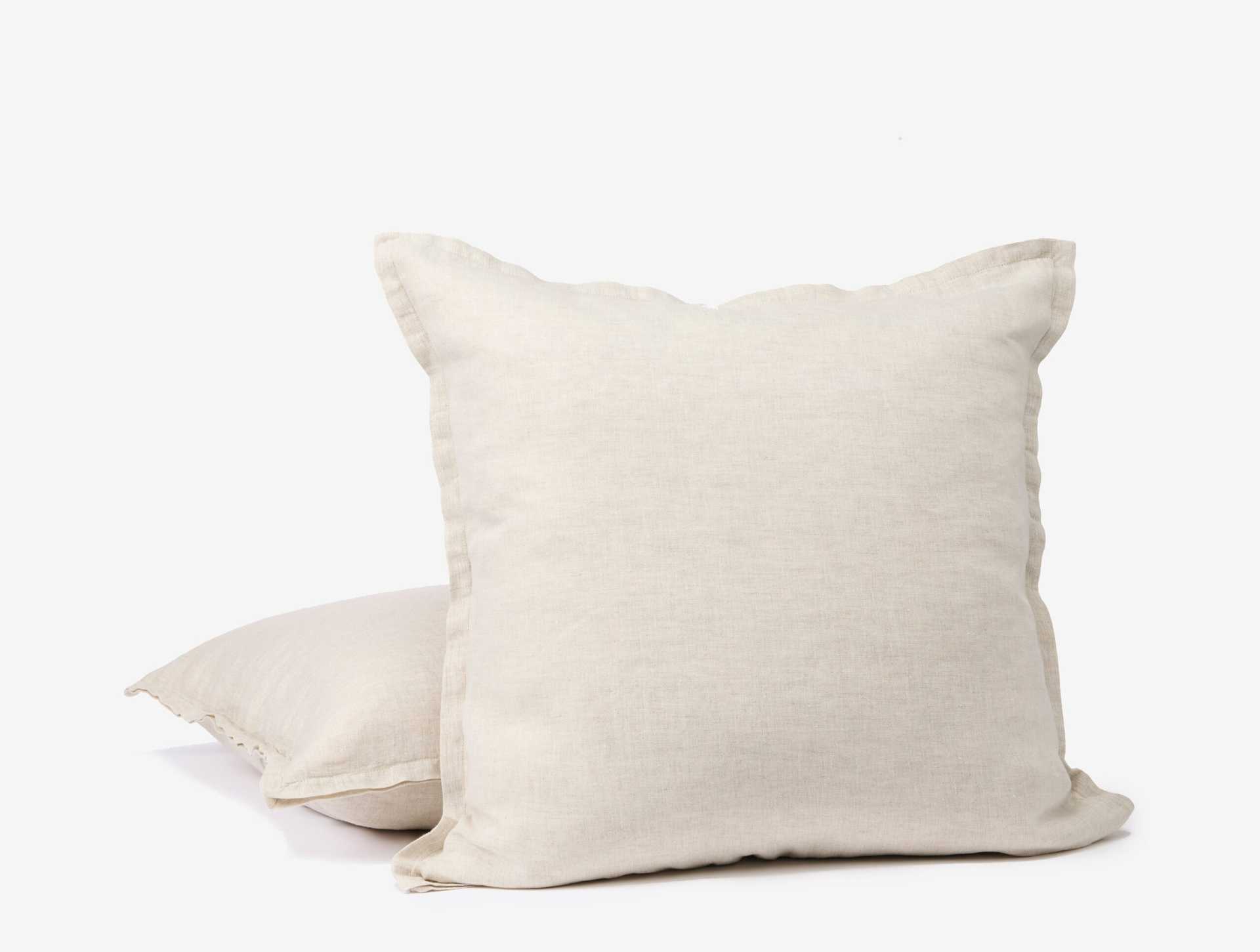
The Layla Linen Sheet Set by the Downtown Company offers a compelling example of how a UK-friendly linen ensemble can balance comfort and durability. The 100% flax linen, stone-washed for softness, provides breathable, moisture-wicking performance suitable for year-round use. Made in Portugal, the Layla set coordinates with Layla linen bedding and highlights the timeless, clean look that suits a wide range of bedroom aesthetics. While this product exists in a retail catalog, it serves as a practical reference point for what a well-made linen sheet set can deliver: a breathable sleep surface with a relaxed, hotel-like finish, designed to stay comfortable through countless cycles of washing and use. (Displayable product image: DownTown Company Layla Linen Sheet Sets)
100% flax linen, stone-washed, breathable, and durable. Made in Portugal.
Price: 720.00
Avoid high-heat drying with linen to preserve softness; tumble dry low and remove promptly to minimize wrinkles.
Three Key Figures Across Time
To appreciate modern bed linen care, it helps to look at the lineage of textile knowledge through three figures who shaped how people sleep and live with textiles.
1) Florence Nightingale (1820–1910) — The Pioneer of Hygienic Sleep Environments
Nightingale’s advocacy for hospital cleanliness and the systematic approach to patient care laid a framework for modern hygiene, which later informed domestic textile care practices. Her emphasis on sanitation, order, and evidence-based approaches influenced households to adopt cleaner, more organized sleep environments. Her legacy echoes in today’s emphasis on regularly washing bedding, using gentle detergents, and maintaining a tidy, breathable sleeping space.
2) Betty Hammerstein (1900–1985) — Comfort Textile Designer and Educator
A designer who championed accessible luxury for the modern home, Hammerstein helped popularize durable yet comfortable textiles for everyday living. Her work bridged the gap between premium fibers and practical care, inspiring generations to value fabrics that both feel good and wear well. Her philosophy mirrors the Option A focus of Bedroom Linen as an educational resource—information that improves everyday life rather than mere aesthetics.
3) Current Time — Textile Certification Experts and Sustainability Advocates
In our era, certifications like GOTS and OEKO-TEX provide a framework for ethical sourcing and processing. Industry specialists, researchers, and educators continue to refine how linens are produced, stone-washed, pre-washed, and finished—affecting both feel and longevity. The modern reader benefits from understanding these certifications as part of the decision-making process when selecting bed linens that perform reliably in UK homes.