Bedding guide
Naturepedic Organic Sheets: What to Know About Fit, Feel and Care
Organic linen sheets can bring a distinctive mix of airflow, texture and lasting strength to a bed. Before choosing a set, look beyond the words “organic” and “breathable”: fabric weight, mattress depth, set contents and laundry instructions all shape how the sheets work in everyday life.
Published 27 October 2026
Sheets are the layer a sleeper notices most directly. They gather warmth, meet skin, shift with movement and return to the wash week after week. With natural bed sheets, small details can make a marked difference: how the weave feels, whether the fitted sheet reaches around a deep mattress, and how the fabric changes after laundering.
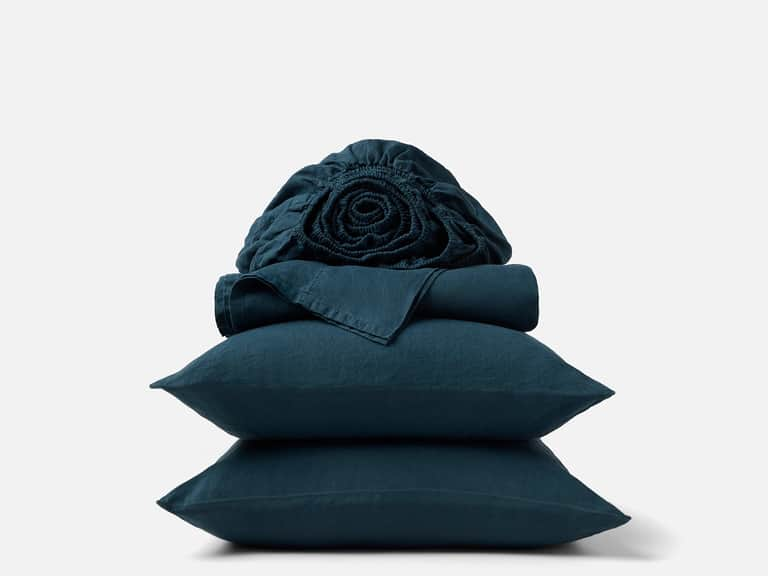
Naturepedic’s organic flax sheets are described as breathable linen made from flax grown in France. The sheet set specifications provided for this range include a fabric weight of 185 grams per square metre, a 15-inch fitted-sheet pocket and care instructions calling for a warm machine wash, low tumble drying and no bleach. Those are useful starting points, but they are not substitutes for checking the label on the exact set you are considering. Product details and instructions can vary by style, size or production run.
This guide explains what those specifications mean in practical terms. It also separates measurable facts—such as pocket depth and fabric weight—from personal preferences, including whether linen’s textured hand feels inviting or too crisp. The aim is not to declare one sheet right for everyone. It is to help you decide whether a particular set fits your bed, your routine and your idea of a comfortable night.
Start with the mattress, not the fabric
A sheet can be beautifully made and still be frustrating if it does not fit. Before comparing materials, measure the mattress itself. Record its length, width and depth, including any topper or mattress pad that will usually remain beneath the sheet. A topper changes the effective height of the bed; the fitted sheet must stretch around the full stack, not just the mattress underneath.
The Naturepedic linen sheet information describes a 15-inch pocket on the fitted sheet. Pocket depth is the vertical measurement intended to accommodate mattress height, though manufacturers may define or measure it somewhat differently. A 15-inch pocket is not a guarantee of a secure fit on every 15-inch-high mattress: fabric also needs enough allowance to pass beneath the corners and remain in place. A mattress with a deep pillow top, thick protector or topper may need more room.
Measure from the top surface down one side to the bottom edge, then add the thickness of anything placed on top. If the total approaches the stated pocket depth, inspect the manufacturer’s sizing guidance carefully. A snug fit helps prevent a fitted sheet from slipping loose overnight; a sheet pulled too tightly may strain the seams or lift at the corners. If you are between sizes or have an unusually deep mattress, seek confirmation from the maker before relying on the nominal pocket measurement.
- Measure the dressed mattress: Include a protector and topper if they are part of your regular setup.
- Check every dimension: Length and width matter as much as depth, especially for non-standard mattresses.
- Read the pocket specification closely: Confirm whether the stated depth is compatible with your total mattress height.
- Check the set contents: Make sure the fitted sheet, flat sheet and pillowcases match the size and arrangement you need.
The listed Naturepedic sheet set includes a flat sheet, fitted sheet and two pillowcases. Its stated sizes are Queen, King and California King, with a 15-inch fitted-sheet pocket. Pillowcase dimensions are given as Standard/Queen at 20 by 32 inches and King at 20 by 40 inches. These measurements can help with planning, but confirm the details for the selected size before ordering—especially if you use oversized pillows or prefer a generous tuck.
What 185 gsm tells you—and what it does not
GSM means grams per square metre, a measure of fabric mass. At 185 gsm, the linen is described as having a weightier feel than very light, airy cloth. That number can help compare fabrics when the same measurement method is used, but it does not independently tell you whether a sheet will feel soft, cool, rough or luxurious. Fibre quality, yarn construction, weave, finishing and the way the fabric is laundered all play a part.
Linen comes from the flax plant. Its yarns and weave often create a surface with more visible texture than a smooth cotton sateen. Some sleepers enjoy that dry, relaxed hand; others prefer a flatter, silkier finish. A fabric’s stated weight is therefore best treated as one clue among several, rather than a score of quality or comfort.
Weight can affect the impression a sheet makes on the bed. A more substantial cloth may feel reassuringly present and drape differently from a lightweight percale. But weight alone cannot promise warmth in every room or for every sleeper. Bedroom temperature, duvet weight, personal preference and how freely air moves around the bed are all part of the experience. Linen is commonly chosen for its breathable character, yet individual comfort remains individual.
Look for descriptions of the fibre and finish as well as the GSM. Naturepedic’s sheets are described as 185 gsm GOTS-certified organic flax linen, stone-washed and made from flax grown in France. The product information also states that the sheets are made in India in a GOTS-certified organic facility. These details describe different stages of origin and manufacture; they should not be condensed into a claim that the finished sheet was made in France.
If possible, assess the material in person or begin with a clear understanding of the return policy. A photograph can communicate colour and drape, but it cannot tell you how a woven fabric will feel against your skin. Reviews may offer useful impressions, though words such as “soft” and “crisp” are subjective and may refer to different stages of use.
The feel of linen changes with use
New linen may feel textured or firm compared with fabric that has already been washed many times. That is not necessarily a fault. Linen sheets are often described as becoming softer through laundering and regular use, and Naturepedic’s product description likewise says the fabric softens with washing. The change is gradual, not a reason to expect a particular feel after a set number of cycles.
Stone-washing is a finishing process used to give fabric a more relaxed hand before it reaches the bed. It can reduce the starkness of a newly woven surface, while preserving linen’s characteristic texture. It does not mean that every sheet will feel identical: colour, construction and individual sensitivity all affect perception.
There is also a visual dimension. Linen tends to crease, and those creases are part of its familiar, informal appearance. If you want a sharply pressed bed, linen may require more attention than a smoother fabric, although the supplied Naturepedic instructions allow a warm iron. If you prefer a naturally relaxed finish, taking the sheets from the dryer promptly and smoothing them by hand may be enough for everyday use.
Try to judge the material across more than a brief touch. A sheet’s first impression can change after washing, while your experience in bed depends on temperature, bedding layers and personal comfort. If you are accustomed to cotton, allow for a different surface and drape rather than expecting linen to imitate cotton exactly.
Breathability is useful, not a guarantee
Natural linen is valued for allowing airflow and managing moisture. The Naturepedic product information describes the sheets as breathable and moisture-wicking, with linen’s structure helping air and water circulate. In everyday terms, that may make the fabric appealing to people who dislike a clammy or overly close-feeling sleep surface.
Still, no sheet can regulate the whole sleep environment on its own. A heavy duvet, a warm room, mattress materials and the number of layers on the bed all matter. A breathable sheet may be one part of a comfortable setup, but it is not a treatment for night sweats, allergies or a medical condition. If persistent sleep discomfort has a health dimension, bedding choices are not a substitute for appropriate medical advice.
Claims about allergy suitability also deserve careful reading. A clean, washable sheet can contribute to a tidy sleep space, and the Naturepedic description notes a looser weave that may reduce dust and particle build-up. That should not be taken as a guarantee that the sheets prevent allergies or remove allergens. People with sensitivities may wish to review the full materials and care information and consult a health professional where needed.
Organic certification: read the scope
“Organic” can refer to how the agricultural fibre is grown, while a textile certification may cover additional stages of processing. The Naturepedic linen is described as GOTS-certified organic. The Global Organic Textile Standard (GOTS) sets requirements for organic fibres and relevant processing and manufacturing stages within its certification scope. The precise assurance depends on the certificate and the entities covered, so a certification statement should be read as a defined standard—not as a broad promise about every possible environmental or social outcome.
When certification matters to your decision, look for the standard named in the product details and, where available, information about the certified facility or supply chain. Ask whether the claim applies to the fibre, the finished textile or both. Clear sourcing language is more useful than a general label such as “eco-friendly,” which can mean different things in different contexts.
Durability is another part of the environmental picture. A sheet that is cared for properly and used for a long time may avoid frequent replacement. Organic fibre does not make a product indestructible, but construction, laundering and everyday wear can influence how long it remains useful. Strong seams, an appropriate fit and restrained care all help protect the investment.
Care instructions: follow the label first
Linen is durable, but durability is not permission to wash it carelessly. For the Naturepedic organic linen sheets described here, the listed instructions are machine wash warm, tumble dry low, warm iron and no bleach. Other linen products may specify cold water, a gentle cycle or different drying guidance. The instructions on the item or its current product label take priority over general advice.
Washing with similar colours helps limit the chance of dye transfer. Avoid overloading the machine: crowded fabric can wash and rinse less evenly, and unnecessary friction may increase wear. Use an appropriate amount of detergent rather than assuming more will clean better. Bleach is specifically excluded in the cited Naturepedic care directions, so do not add it unless the manufacturer’s current instructions explicitly permit it.
Low-heat tumble drying is the stated option for this sheet set. Remove the sheets when they are dry rather than leaving them to tumble longer than necessary. Excessive heat and prolonged drying can stress fibres over time and may encourage shrinkage. If line drying is practical, check the product care label first; instructions differ between linen items and finishes.
Ironing is optional where the instructions say a warm iron may be used. Linen’s natural creasing is normal, so a perfectly smooth finish is a matter of preference rather than a sign of proper care. If ironing, follow the label and test a discreet area when uncertain about a finish or colour. Never substitute another brand’s instructions for the care requirements of the item in your hands.
- Separate colours and check for loose items that could snag the fabric.
- Use the wash temperature and cycle specified on the sheet’s label.
- Choose a suitable detergent and avoid bleach where the instructions prohibit it.
- Dry on the permitted setting, removing the sheets promptly when dry.
- Store the set clean and fully dry, with room for air rather than in a damp cupboard.
For the first wash, it is especially useful to follow the label exactly. Washing can affect how a natural fabric settles, and care guidance is designed for the particular construction and finish. If the label is missing or unclear, consult the manufacturer before using a high-heat or bleaching treatment.
Avoiding common buying surprises
Online descriptions can make sheets sound simple: choose a size and a colour, then make the bed. In practice, the surprises often come from details that were easy to overlook. A fitted sheet might not suit a mattress with a thick topper. Pillowcases may be a different size from the ones already in the cupboard. A set may include fewer pillowcases than expected, or a colour may appear different under bedroom lighting.
Before deciding, confirm the following points in the current product listing:
- Exact size: Check the mattress size the set is intended for, including any regional naming differences.
- Fitted-sheet pocket: Compare the stated depth with your dressed mattress, not its bare height.
- Included pieces: Verify whether the set contains a flat sheet, fitted sheet and the right number of pillowcases.
- Fabric specification: Look for fibre content, weave or finish and fabric weight where provided.
- Care requirements: Make sure the washing and drying routine fits your household.
- Certification details: Note the named standard and what the product information says it covers.
These checks are not glamorous, but they are the difference between a set that simply looks suitable and one that works in daily use. A few minutes with a tape measure and the care label can prevent more frustration than any thread-count shortcut.
Is Naturepedic organic linen right for you?
The case for these sheets is strongest for someone who wants flax linen, appreciates a textured and relaxed finish, and is comfortable following a defined care routine. The listed 185 gsm weight gives a concrete point of comparison, while the 15-inch pocket provides a useful fit specification for many standard mattresses. The inclusion of a flat sheet, fitted sheet and pillowcases makes the set a complete starting point, subject to checking the selected size.
They may be less compelling for a sleeper who wants a very smooth, sharply pressed surface or for a mattress whose total depth exceeds the fitted sheet’s reach. Someone seeking a particular level of softness should remember that touch is personal and can evolve with washing. The product description’s promise of softening over time is informative, but it cannot predict exactly how the fabric will feel to every person.
Good bedding is not a contest in labels or numbers. It is the quiet fit between material, mattress, room and routine. Naturepedic’s organic flax sheets offer a set of practical particulars—organic linen, a stated weight, a defined pocket depth and clear washing guidance—that make evaluation possible. Measure first, read the current product details, and choose according to the feel you actually enjoy. The most dependable sheet is the one that fits the bed, suits the sleeper and remains easy to care for long after the first night.
Quick checklist before choosing
- Measure the mattress with its regular protector and topper in place.
- Compare the total mattress depth with the stated 15-inch fitted-sheet pocket.
- Check the size-specific set contents and pillowcase measurements.
- Treat 185 gsm as one useful specification, not a complete prediction of comfort.
- Consider whether linen’s textured, naturally creased appearance suits your preference.
- Follow the care label; the cited Naturepedic directions specify warm washing, low tumble drying, warm ironing and no bleach.
- Review certification and origin statements in their stated scope.
A well-chosen sheet set does not need elaborate claims to make its point. It needs to fit, feel right to the person sleeping on it and withstand the ordinary rhythm of washing and use. Those are the details worth knowing before the bed is made.